

The evolution of casino design: A journey through time
The Origins of Casino Design
The history of casino design can be traced back to ancient civilizations, where gaming and gambling were integral parts of social interaction and entertainment. In places like Ancient Rome and China, rudimentary games emerged that involved betting, which laid the groundwork for modern gaming establishments and even influenced systems like nrl betting that thrive today. These early forms of gambling were often held in public spaces, reflecting cultural significance rather than commercial intent. As societies evolved, so did the environments in which these activities took place, leading to the establishment of dedicated spaces for gaming.
During the Middle Ages, gambling was often confined to taverns and inns, which fostered a communal atmosphere. As the social structure changed and the bourgeois class began to emerge, a desire for more luxurious gaming experiences culminated in the development of private gaming houses. These establishments featured ornate decorations, luxurious furnishings, and sought to provide an escape from the everyday grind. This shift marked the beginning of a dedicated architectural approach to casino design, focusing on both functionality and aesthetics.
By the time the Renaissance hit Europe, the evolution of casino design gained momentum. The construction of palatial casinos in cities like Venice became popular, showcasing extravagant architecture and lavish interiors. These venues became symbols of wealth and sophistication, attracting the elite and setting a high standard for future casino designs. This early period emphasized opulence, with designers integrating elements of art and architecture that reflected the prevailing cultural values of the time.
The Golden Age of Casino Architecture
The early 20th century marked what many consider the golden age of casino architecture. As gambling became legalized in various parts of the world, especially in the United States, the design of casinos began to reflect not only grandeur but also a sense of escapism. Iconic casinos like The Sands and The Flamingo in Las Vegas emerged, featuring elaborate themes and lavish décor that transported patrons to other worlds. These establishments were often designed to attract visitors from all walks of life, leading to innovative design choices that prioritized experience above all else.
A significant aspect of casino design during this era involved the incorporation of entertainment spaces. Designers recognized the importance of creating a comprehensive experience for guests, combining gaming with dining, shows, and nightlife. This approach led to the integration of performance spaces, restaurants, and bars within casino layouts, ensuring that visitors could enjoy a variety of activities without leaving the premises. The idea was to immerse players in an environment where they could lose themselves in fun and excitement, reflecting the social nature of gambling.
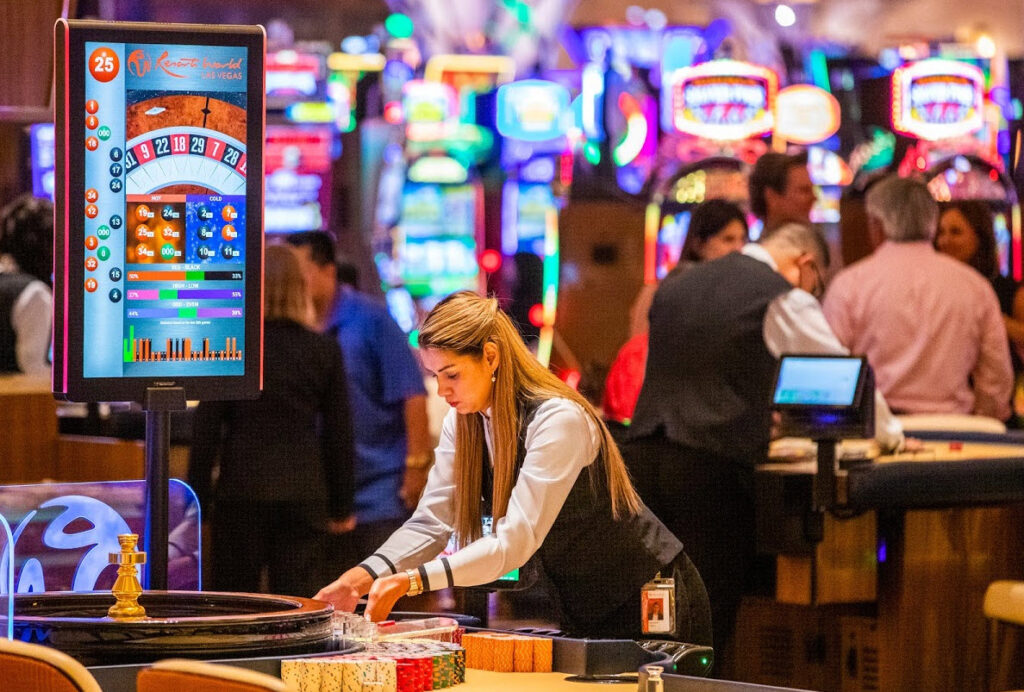
Moreover, advancements in architectural technology allowed for increasingly ambitious designs. Casinos began to feature grand atriums, large-scale sculptures, and elaborate lighting schemes that created an enchanting atmosphere. Architects and designers drew inspiration from various styles, including Art Deco and Modernism, resulting in a diverse array of casino architectures that catered to different tastes. This period solidified the casino’s status as a vital component of entertainment culture, further establishing their role in urban landscapes.
Modern Trends in Casino Design
The late 20th and early 21st centuries ushered in a wave of modern trends in casino design, reflecting contemporary societal changes and aesthetic preferences. As the gaming industry became more competitive, casinos began to embrace a more integrated approach to entertainment. The focus shifted from merely being places to gamble to multi-use entertainment complexes. This inclusivity has led to the development of venues that offer shopping, fine dining, and diverse entertainment options, appealing to a broader audience beyond just gamblers.
Sustainability has also become a crucial element in modern casino design, as the industry responds to environmental concerns and consumer preferences. Architects and designers are increasingly incorporating eco-friendly materials, energy-efficient technologies, and sustainable practices into their projects. Casinos are not just seen as isolated entities anymore; they are part of a larger conversation around urban development and sustainability, often striving to leave a positive impact on their surrounding communities.
Notably, the advancement of technology has significantly influenced casino designs. Many establishments now feature cutting-edge technology in their gaming systems and customer service, enhancing the overall experience for visitors. Digital interfaces, mobile apps, and virtual reality slots are being integrated into the design to create a seamless interaction between players and the gaming experience. These technological adaptations not only appeal to a tech-savvy generation but also keep casinos competitive in an ever-evolving entertainment landscape.
The Future of Casino Design
Looking ahead, the future of casino design will likely continue to evolve, shaped by ongoing social trends and technological advancements. With the increasing popularity of online gaming and virtual casinos, traditional brick-and-mortar establishments may need to adapt. Future designs could incorporate hybrid models that blend physical gambling experiences with virtual ones, creating spaces that cater to both in-person and remote players. This hybridization signifies an essential shift in how casinos may operate in the coming years.

Additionally, the role of social interaction in casino design may grow even more significant. As people increasingly seek communal experiences, future casinos may emphasize open layouts that facilitate socializing among guests. This could lead to the creation of more interactive spaces, vibrant lounges, and collaborative gaming experiences that enhance the sense of community. Gamification and social elements may become integral to future designs, further blurring the lines between traditional gaming environments and social hubs.
As the industry embraces continual innovation, the integration of art and culture into casino design is also likely to gain prominence. Future casino architects may draw inspiration from local art, history, and cultural narratives, creating unique identities for each establishment. This personalized approach not only enriches the visitor experience but also fosters a deeper connection between the casino and its local community, celebrating the regional identity in a stylish, contemporary way.
Enhancing Your Gaming Experience: Our Website
As the landscape of casino design continues to evolve, staying informed about the latest trends and developments can enrich your gaming experience. Our website serves as a valuable resource for enthusiasts seeking knowledge about casino architecture, design innovations, and emerging trends in the gaming industry. By offering insightful articles and expert analyses, we aim to provide visitors with the information they need to navigate the dynamic world of casinos.
Not only do we cover the architectural elements of casino design, but we also delve into the cultural and social aspects that influence these spaces. Our content is crafted to keep readers updated on how casinos adapt to changing preferences and technologies, ensuring you are always in the know. Whether you are a casual visitor or a dedicated enthusiast, our website has something to offer, enhancing your understanding and appreciation of the casino experience.
Join us on this journey through time as we explore the rich history and exciting future of casino design. With a focus on engaging storytelling and in-depth analysis, we invite you to become part of our community, where you can share insights and connect with fellow gaming aficionados. We encourage you to visit our website frequently for the latest updates, ensuring that you never miss a beat in the ever-changing casino design landscape.